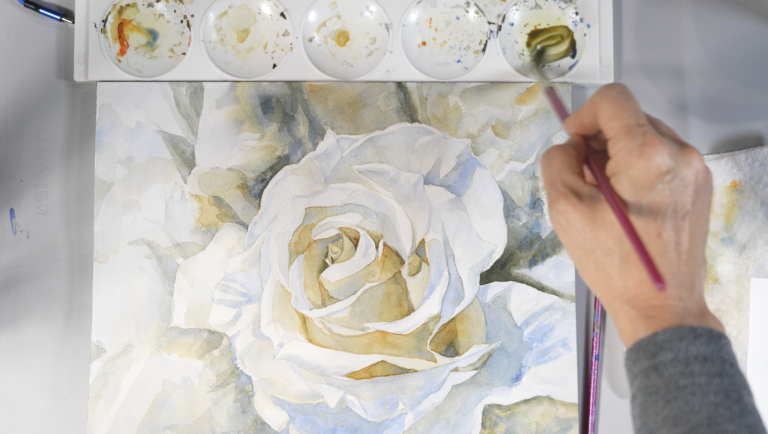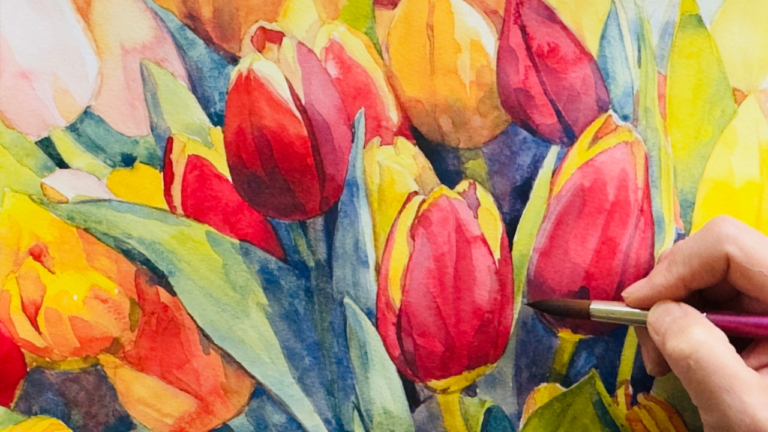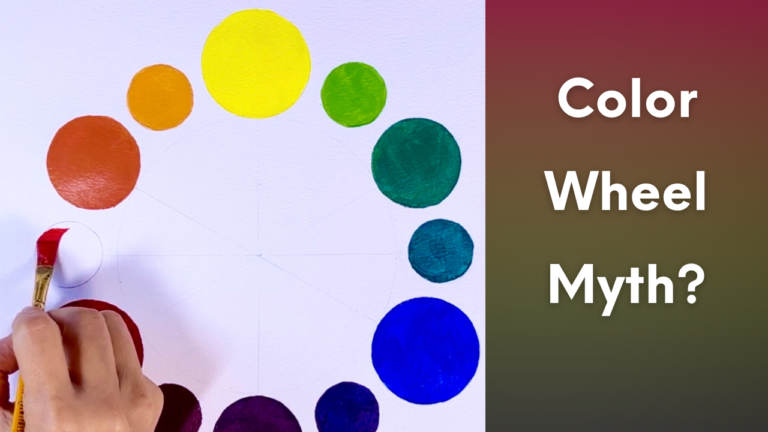
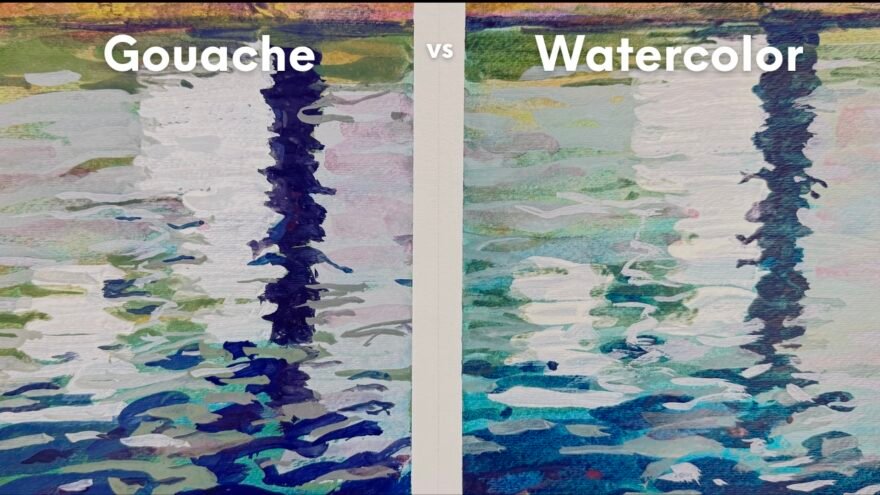
Gouache vs. Watercolor: The Beauty of Opacity and Transparency
Before diving into the comparison between watercolor and gouache, let’s first take a brief look at gouache’s unique characteristics and basic techniques. Since watercolor fundamentals—its basic techniques including transparency and layering—were discussed in earlier posts, this section will help clarify how gouache differs in handling and effect, setting the stage for a deeper comparison that follows.
What is Gouache?
The term gouache originates from the Italian word guazzo, meaning “mud,” a reference to its opaque, matte appearance and dense, richly colored surface.
Gouache is an opaque, water-based paint composed primarily of three key ingredients:
- Pigment: Finely ground color particles—usually in higher concentration than in watercolor.
- Binder: Typically gum arabic, the same binder used in watercolor.
- White Pigment: Often chalk or zinc/titanium white, added to increase opacity and give the paint more body.
This formulation produces a matte, velvety surface with strong covering power, distinguishing gouache from transparent watercolor. Like watercolor, it can be reactivated with water even after drying—except for acrylic gouache, which becomes waterproof once dry.
Gouache has ancient roots, with early forms appearing in Egyptian and Greek art. Throughout history, it has remained an essential medium for artists—from illuminated manuscripts and Persian miniatures to modern design and illustration—bridging fine art and commercial art alike.
Types of Gouache
Traditional Gouache
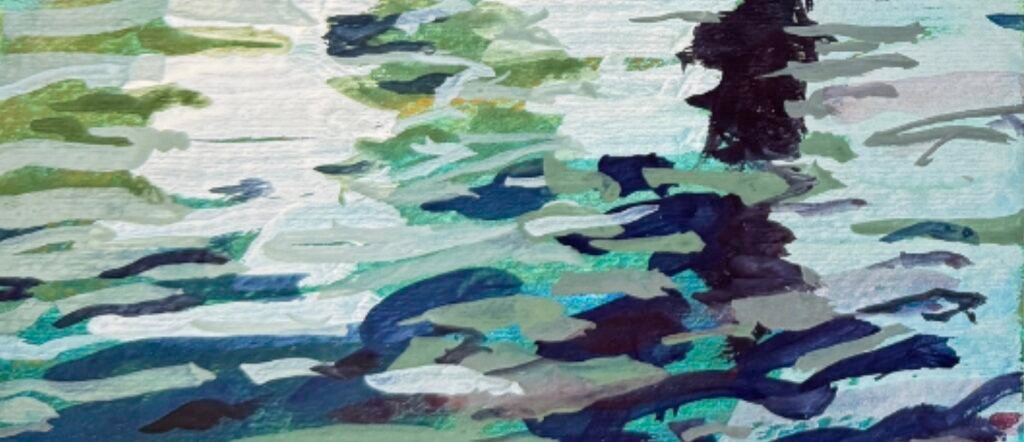
Made with natural pigments, water, and a binder such as gum arabic, traditional gouache is opaque and matte, and can be reactivated with water even after drying. It behaves similarly to watercolor but produces solid, vibrant, and creamy layers that block out the paper beneath.
This type is commonly used in illustration, fine art, and design.
Examples: Winsor & Newton Designers Gouache, Holbein Artists’ Gouache, Schmincke Horadam Gouache.
Acrylic Gouache
Formulated with acrylic polymer as a binder instead of gum arabic, acrylic gouache shares the matte appearance and opacity of traditional gouache. It remains water-soluble when wet but becomes water-resistant and permanent once dry, meaning it cannot be reworked or lifted.
Slightly more durable and ideal for layering and mixed media, it’s often preferred by commercial artists, designers, and illustrators.
Examples: Liquitex Acrylic Gouache, Holbein Acryla Gouache.
Classification by Quality
Gouache is also categorized into artist-grade and student-grade types, depending on pigment concentration and binder quality.
As with any medium I teach or explore, I prefer to begin with the most economical student-grade option. It’s valuable to observe firsthand how paints with varying pigment loads respond differently—how student-grade paints may appear less saturated, while artist-grade formulations provide stronger coverage and vibrancy.
Understanding these differences builds sensitivity to the medium. You can then decide whether to transition to professional-grade materials for more nuanced results and lasting works.
Materials You Need (and What I Used in This Demo)
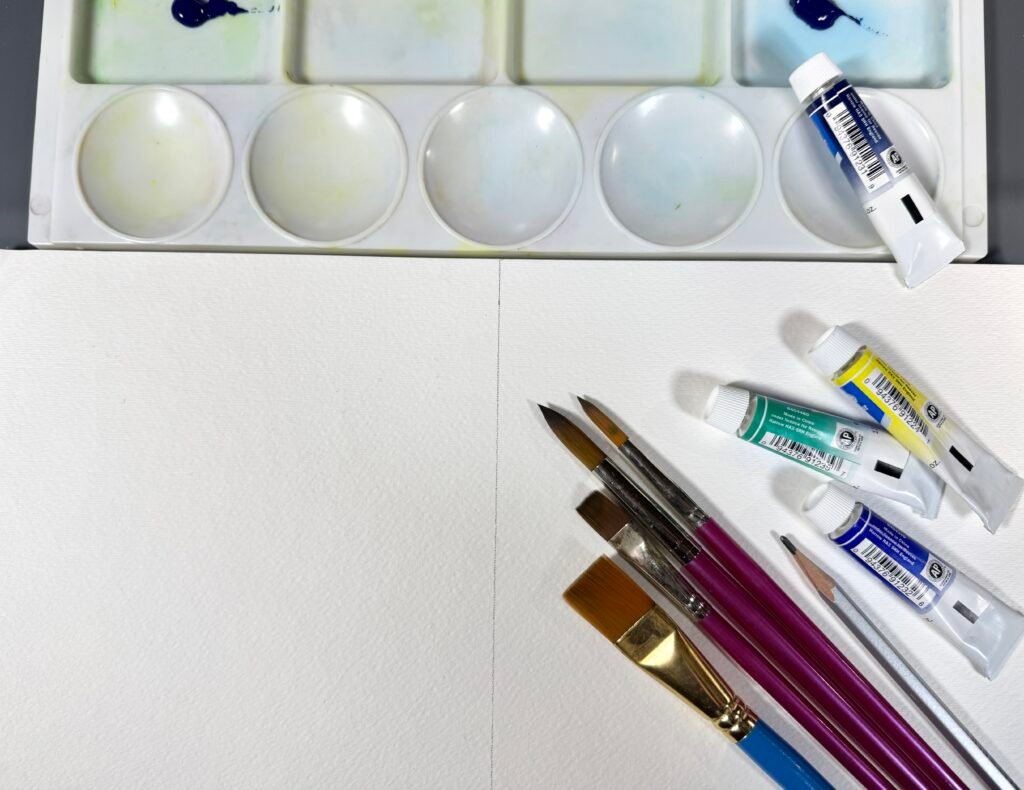
General Materials:
- Gouache Paints: Traditional gouache set (student or artist-grade)
- Brushes: A range of round and flat watercolor brushes; synthetic bristles work well
- Palette: A ceramic or plastic palette with wells for mixing
- Paper: 140 lb / 300 gsm watercolor paper or illustration board
- Water Containers: One for clean water, one for rinsing
- Tissues or Rag: For blotting and controlling moisture
- Pencil and Eraser: For light sketching before painting–B, 2B or any
For more details on the materials I recommend, see the Painting page under the Art Supplies & Materials Guide.
This section contains affiliate links. Thank you for supporting NuArtPlanet.
Material I Used in Demo:
- Gouache Paint: I am not listing the gouache brand by name. The brand I used in this demo had some very different colors from the traditional color names, even considering gouache’s unique chalky and cloudy qualities.
- Watercolor Paint: Reeves Watercolor Paint Tubes, Set of 24.
- Brushes: Flat and round size # 6 to 8, Creative Mark/ 2 x 1″Wash brushes
- Watercolor Paper: Strathmore 300 Series 11″ x 15″
Techniques & Handling of Gouache
For the demonstrations in this post—including the comparisons with watercolor—I will be using traditional gouache only. Acrylic gouache, while similar in appearance, behaves quite differently and is not suitable for this discussion, as it becomes waterproof once dry and cannot be reactivated.
1. Surface Preparation
Use heavy watercolor paper (at least 140 lb / 300 gsm) or illustration board to prevent warping. Gouache can be layered wet-on-dry, so a sturdy surface is essential for maintaining its structure during repeated applications.
2. Mixing
Gouache straight from the tube is creamy but tends to dry quickly on the palette. Always rehydrate it with a few drops of water and mix until it reaches a smooth consistency—fluid enough to move easily but still opaque. Proper mixing ensures color uniformity and prevents streaking when applied.
3. Application & Painting Methods
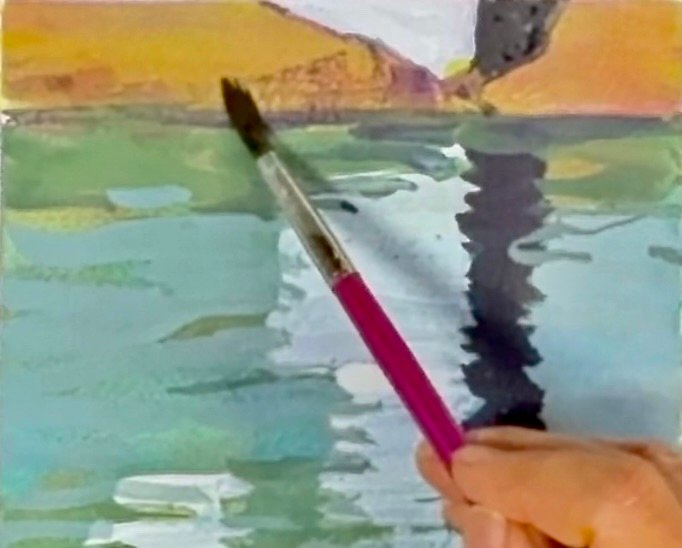
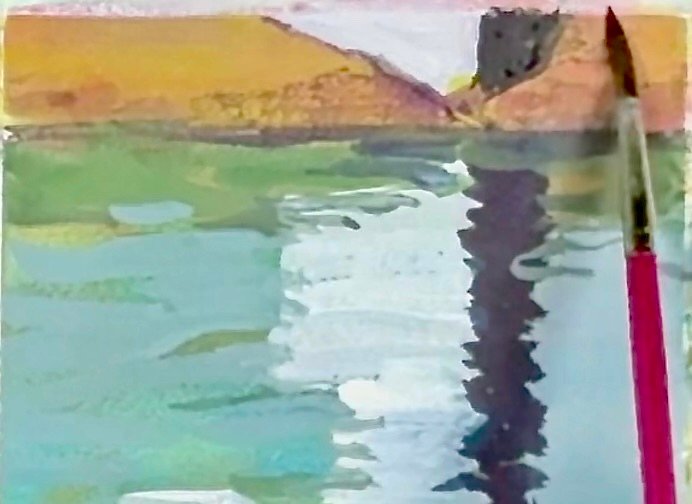
Stumbling & Dry Brushing
Gouache supports a wide range of painting methods, allowing artists to control opacity and texture according to intent:
- Dry Brushing: Using minimal water for textured, expressive strokes or fine detailing.
- Wet-on-Wet: Applying gouache on damp paper for soft color transitions, similar to watercolor.
- Layering: Building forms from light to dark or vice versa; its opacity allows one color to cover another completely.
- Glazing: Applying thin, semi-transparent layers for luminous depth.
- Scumbling: Brushing a thin broken layer of opaque layer of color over a previously applied, dried layer of color to create subtle texture or atmospheric effects.
Because gouache is reactivated by water, it’s best to work from thinner to thicker applications, allowing easy adjustments as the composition develops.
4. Layering & Corrections

You can apply thin washes for watercolor-like transparency or thicker layers for solid, matte coverage. Once dry, the surface can be reactivated with a damp brush to soften edges or blend transitions.
One of gouache’s greatest strengths is its flexibility—you can easily paint light over dark or dark over light.
5. Finishing Touches
Because gouache dries to a matte finish, colors may appear slightly lighter or chalkier once dry. Many artists prefer to scan or photograph their work rather than varnish it, as varnishing can darken or alter the matte appearance.
Core Difference Between Gouache & Watercolor
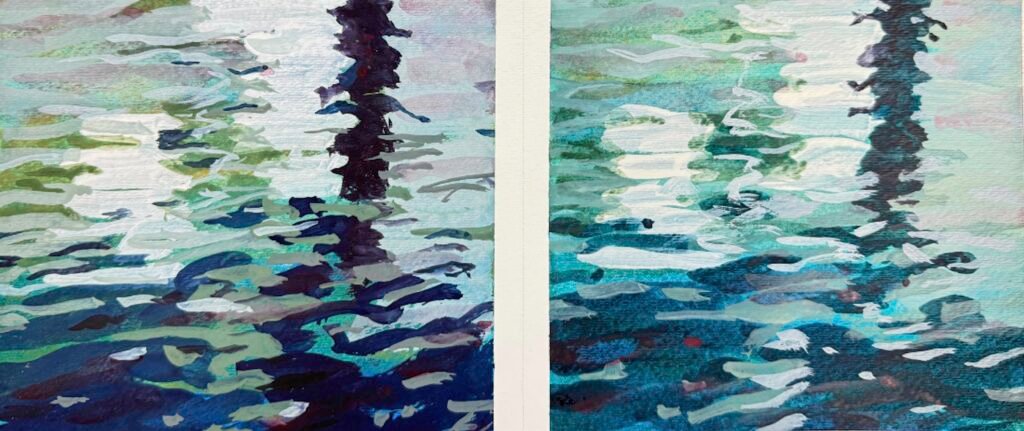
The essential distinction between gouache and watercolor lies in their opacity versus transparency. This difference shapes not only how they appear but also how they are handled.
Gouache, with its opaque body, offers a more forgiving learning curve—artists can easily make adjustments, cover previous layers, and correct mistakes without losing depth or color intensity. In contrast, watercolor demands careful planning and restraint: its transparency means that highlights must be preserved from the start, and once a dark or saturated wash is applied, it’s difficult to reverse.
Although gouache is often described as drying more quickly than watercolor, I did not experience a significant difference in this demo. Both mediums dry lighter, which is a normal characteristic of water-based paints. This effect is more noticeable in low-pigment paints.
| Aspect | Gouache | Watercolor |
|---|---|---|
| Transparency | Opaque | Transparent |
| Binder | Gum arabic | Gum arabic |
| Finish | Matte, velvety surface | Luminous and glowing |
| Drying Behavior | Dries quickly | Dries slower |
| Reactivation | Rewettable (traditional gouache); permanent (acrylic-based) | Fully rewettable |
| Corrections | Easy — can paint light over dark | Difficult — corrections often lift or stain |
| Surface Choice | Works well on sturdy watercolor or mixed-media paper | Best on high-quality watercolor paper with good absorption |
| Ideal Use | Illustration, detailed work, and mixed media | Landscapes, expressive washes, and travel journals |
Gouache vs. Watercolor: Side-by-Side Experiments
Drying Speed
I conducted two tests to compare drying speed. The first was a simple wash test, and the second used the minimum amount of water to ensure more accurate results.
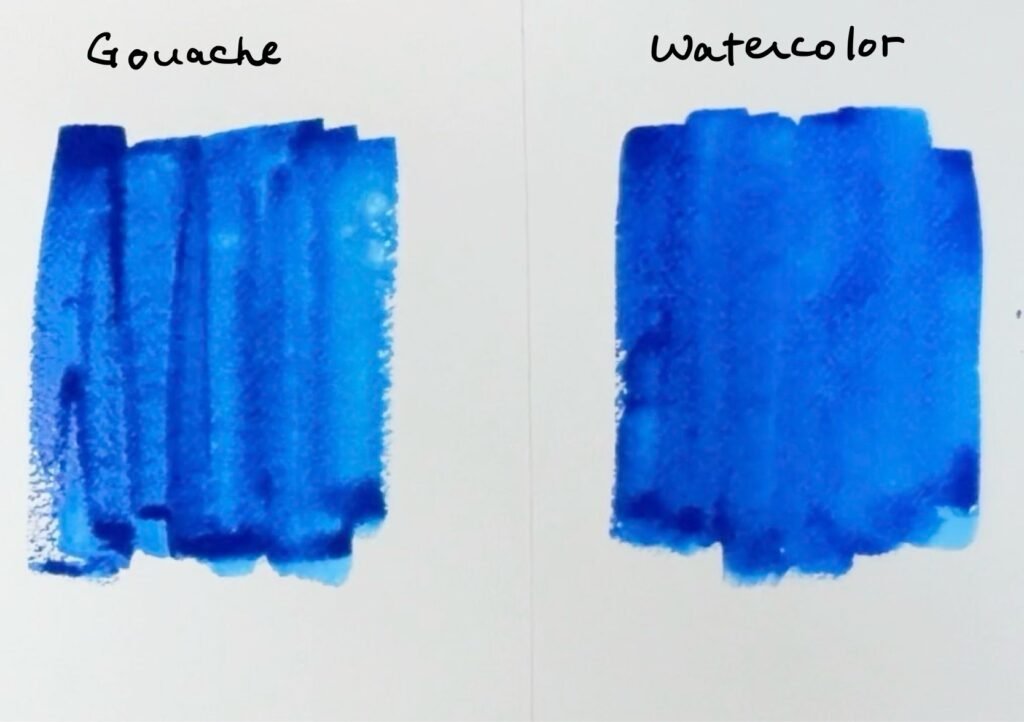
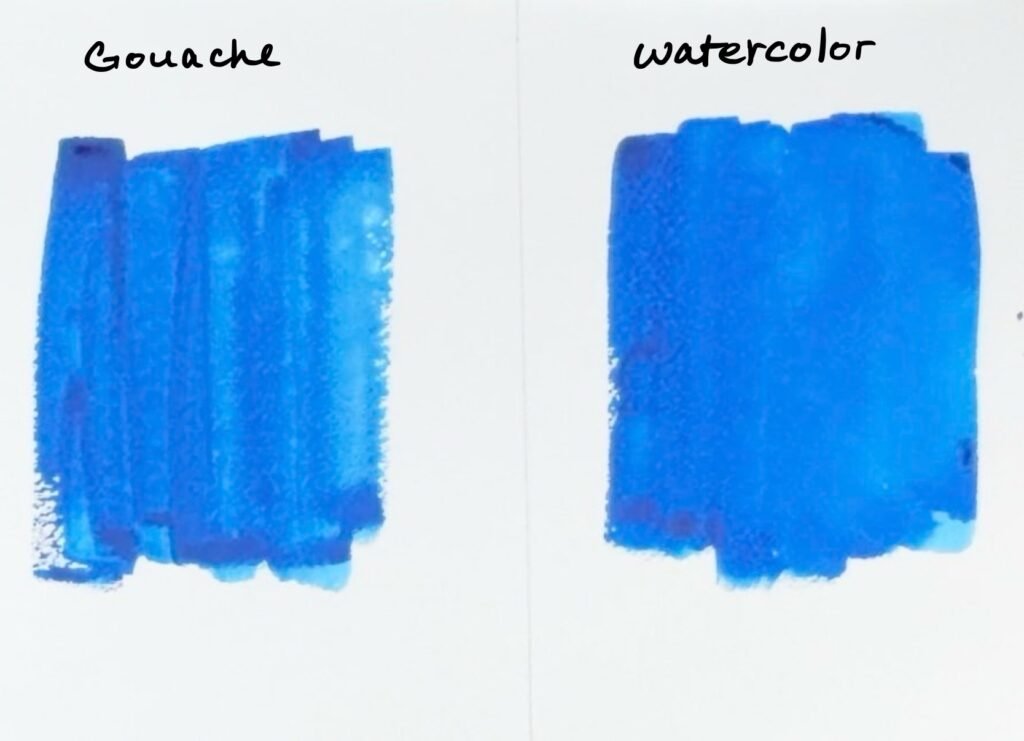
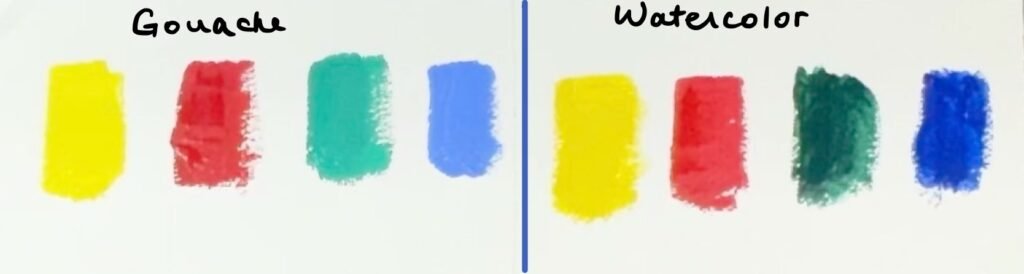
Although gouache is often described as drying faster than watercolor, I did not observe a significant difference in drying time between the two in either test.
Opacity Test
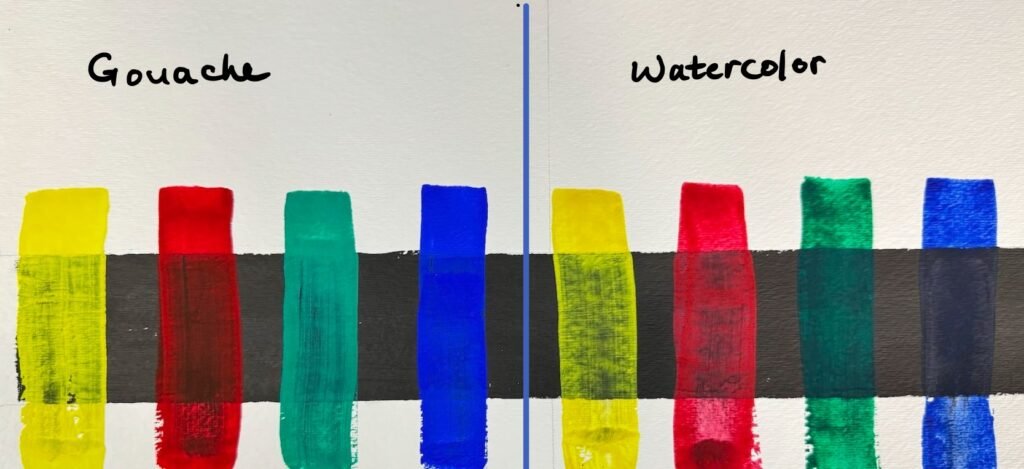
As you can see from the opacity test, gouache clearly offers much greater coverage than watercolor, reinforcing why it’s ideal for solid shapes and corrective layers.
Transparency Test
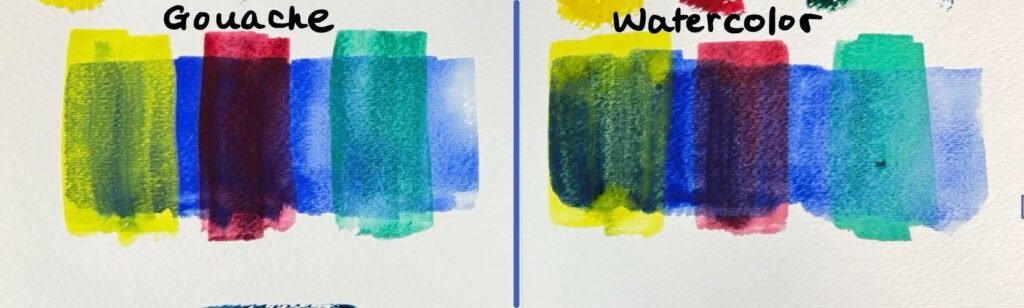
In this transparency test, watercolor definitely demonstrates much greater transparency than gouache.
Reactivating Test
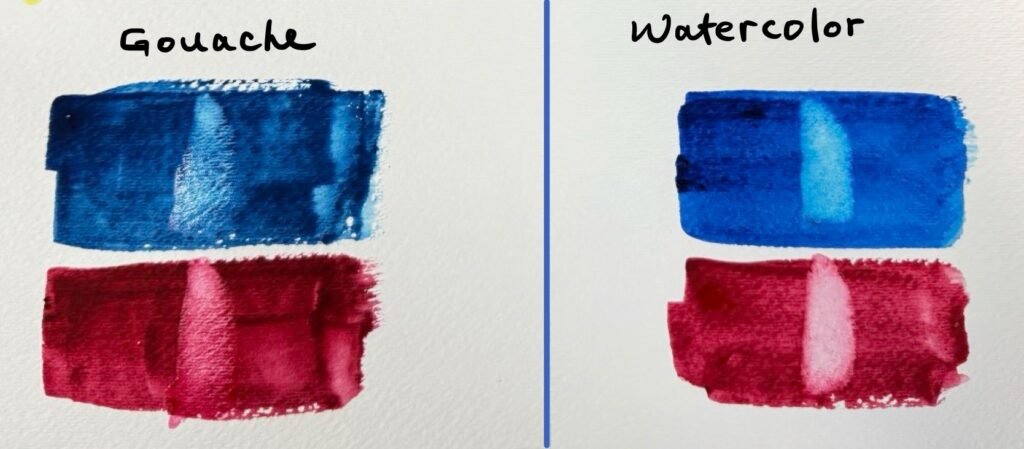
In this reactivation test, lifting the paint is noticeably easier with watercolor than with gouache. Watercolor reactivates quickly and lifts cleanly, while gouache leaves more pigment behind, resulting in a less pronounced lifted area.
Click image to watch the full demo on YouTube.